productbehind-the-scenesupdate

300 Caption Styles: Why Adding Captions to Your Videos Is No Longer Optional

We just crossed 300 caption styles. Along the way, we dove deep into the research on why captions work — and the numbers are harder to ignore than we expected.

Kevin Li

Kevin Li

March 31, 20267 min read
300 Caption Styles: Why Adding Captions to Your Videos Is No Longer Optional

We crossed 300 caption styles last week.

When I wrote the 150-styles post a few weeks ago, I thought I'd use this one as a simple follow-up — here's the new stuff, here's what changed. But something different happened as we were building toward 300.

We started getting serious questions from creators: Does adding captions actually make a difference, or is it just something everyone says you should do?

So we looked at the data. And then we kept looking. This post is what we found — plus everything that changed in the library since 150.

The Research We Couldn't Ignore

I want to lead with the research because honestly, before digging in, I was more cynical than I should have been. Captions felt like a nice-to-have. Turns out they're not.

85% of videos on social media are watched without sound. This number has been floating around for a while (originally from Facebook's own data), and more recent studies have only pushed it higher for mobile-first platforms like TikTok and Instagram Reels. People scroll in bed, on public transit, in waiting rooms. The audio is off by default.

What does that mean in practice? If your video doesn't have captions, you're invisible to the majority of your audience. Not less effective — invisible.

Captions increase average view duration by around 12%. This comes from various platform studies, and the mechanism makes sense: viewers who would have scrolled past because they can't hear stay longer once they can read. More of your video plays. Algorithms reward that.

Captions improve content comprehension for everyone, not just viewers with hearing loss. A study by Ofcom (the UK media regulator) found that 80% of people who use captions don't identify as deaf or hard of hearing. They use captions because they missed something, because the speaker has an accent they're not used to, because the audio mixing was off, or because they just process written words faster than spoken ones.

For YouTube specifically, captions improve search visibility. YouTube indexes caption text. A well-captioned video on a niche topic can surface in search results that a non-captioned video with identical content would never reach.

I don't want to make this sound like a marketing brochure. The short version is: the data is consistent enough that we stopped thinking of CaptionBolt as "makes your videos prettier" and started thinking of it as "makes your videos work." The visual style matters, but the caption being there in the first place matters more.

What We Built for TikTok and Short-Form

Most of the growth from 150 to 300 was intentional: we doubled down on short-form content styles.

TikTok, Instagram Reels, YouTube Shorts — these formats have their own visual language. Captions in these contexts aren't a subtitle track running at the bottom. They're part of the composition. They're loud, well-timed, and often the first thing your eye goes to.

We spent a lot of time studying what actually goes viral on TikTok. Not the content — the caption presentation. A few things became clear:

Word-by-word reveal with kinetic timing wins. The word appears exactly when it's spoken, not in sentence blocks. This creates a rhythm that keeps the eye moving and matches the pacing of how creators speak on TikTok — faster, more emphatic, more rhythmic than a YouTube tutorial.

Uppercase, center-screen, high contrast. The TikTok caption aesthetic is bold. Lowercase, bottom-positioned, quiet captions belong to a different genre. If you're making content for the For You page, your captions should communicate confidence at a glance.

Emphasis matters more than consistency. The best TikTok captions single out key words — a bigger pop, a color change, a slight animation difference. It's not about decoration; it's about guiding what the viewer reads first.

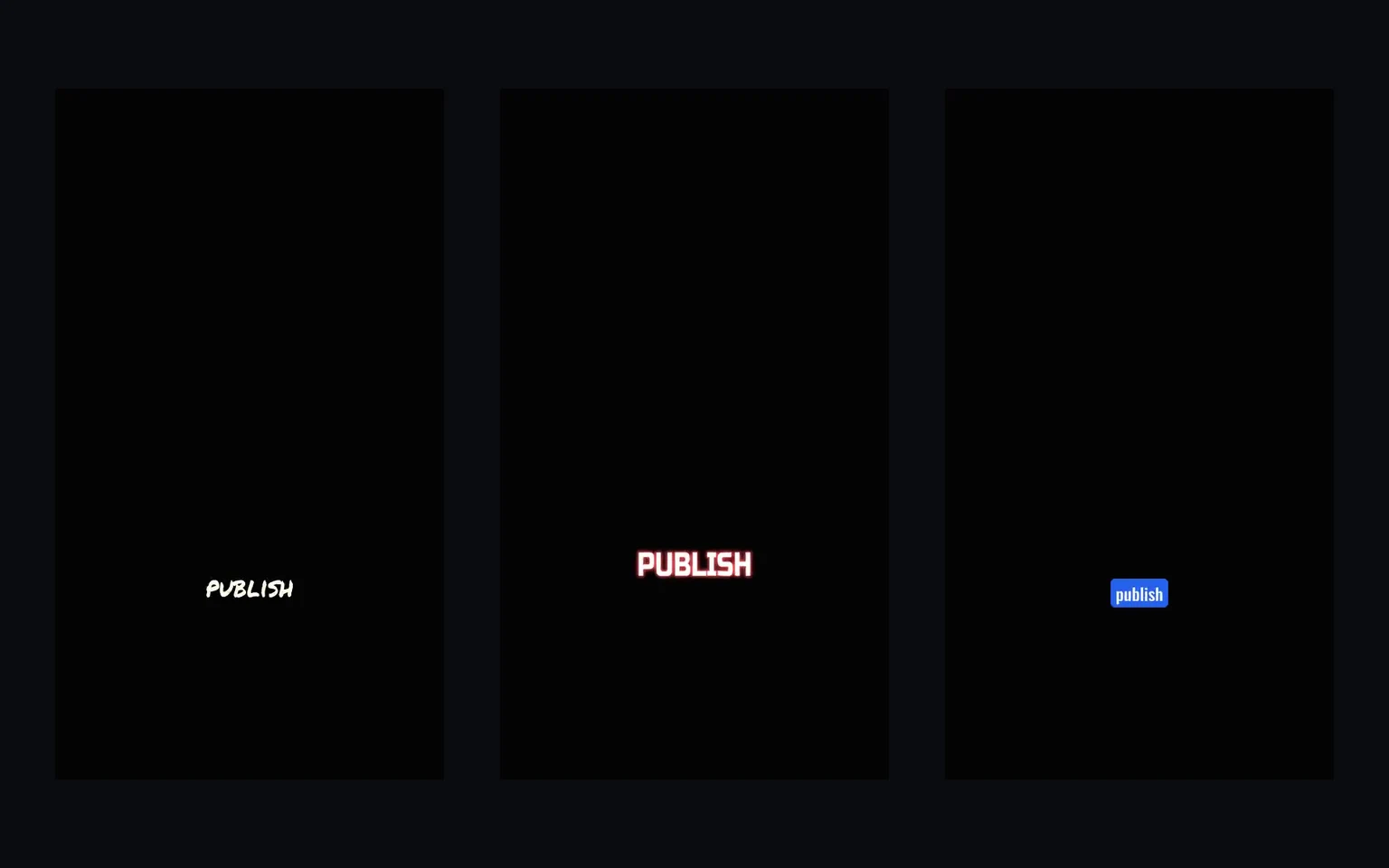
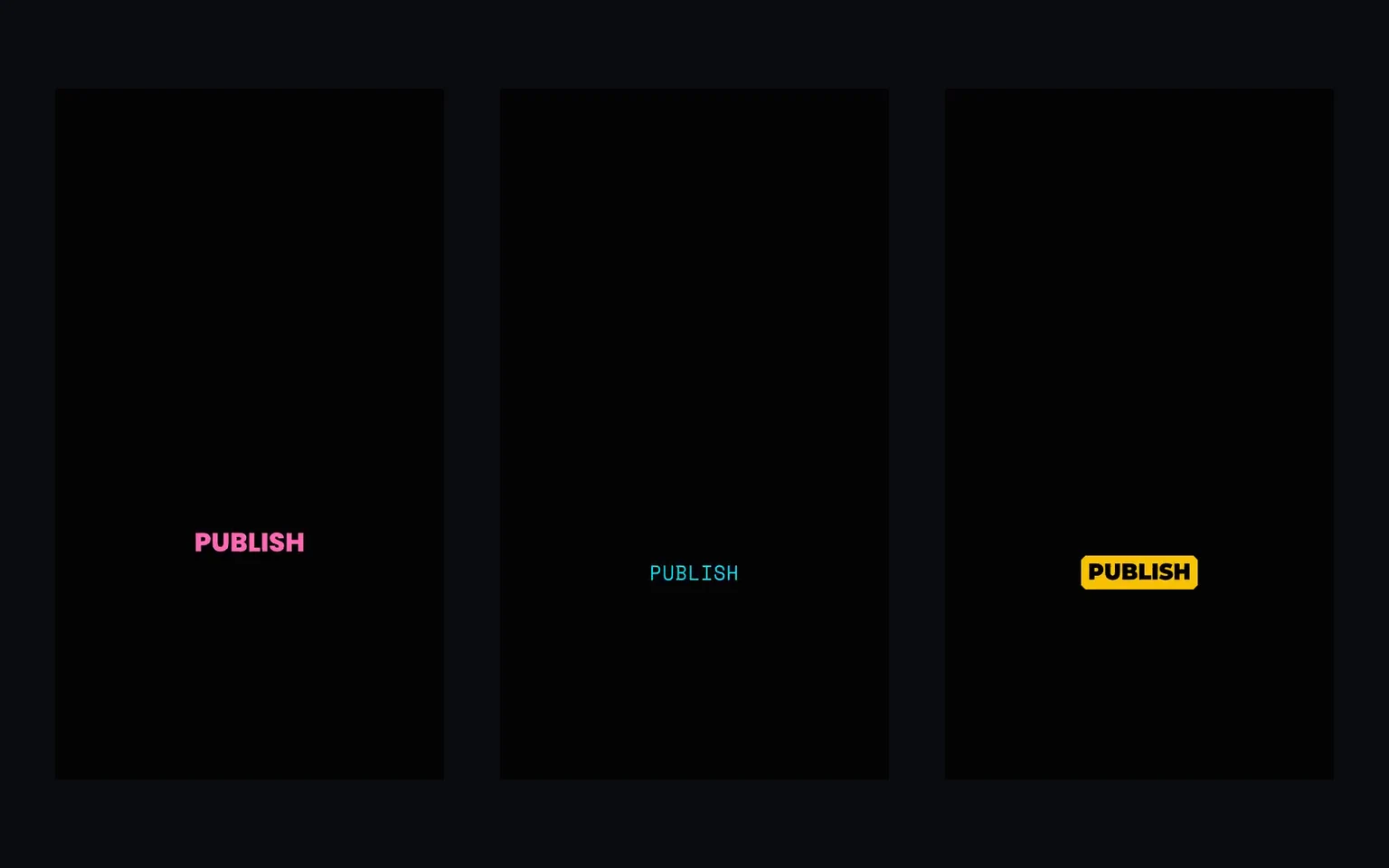
We added 40+ new Social Hype styles that embody these principles. Some of them look intense in the style picker and feel completely natural in the actual video.

What Each Category Is Doing Now

We've maintained the same six categories since the beginning, but the composition within each has shifted.

Social Hype (70+ styles)

Still our most popular category, and the one with the most new additions. The new styles skew more toward word-level emphasis — less "everything big and loud" and more "this specific word lands differently." We also added a set of styles with split-color word reveals that have been showing up everywhere on TikTok lately.

Storytelling (50+ styles)

This grew more than I expected. The surprise finding: documentary-style content is exploding on short-form. 3–8 minute TikToks, YouTube Shorts essays, mini-docs. The Storytelling category is what creators in this space reach for. Clean, authoritative, unhurried. We added styles specifically for this genre — typewriter rhythm, soft gradients, bottom-third positioning that doesn't compete with the visual.

Music (40+ styles)

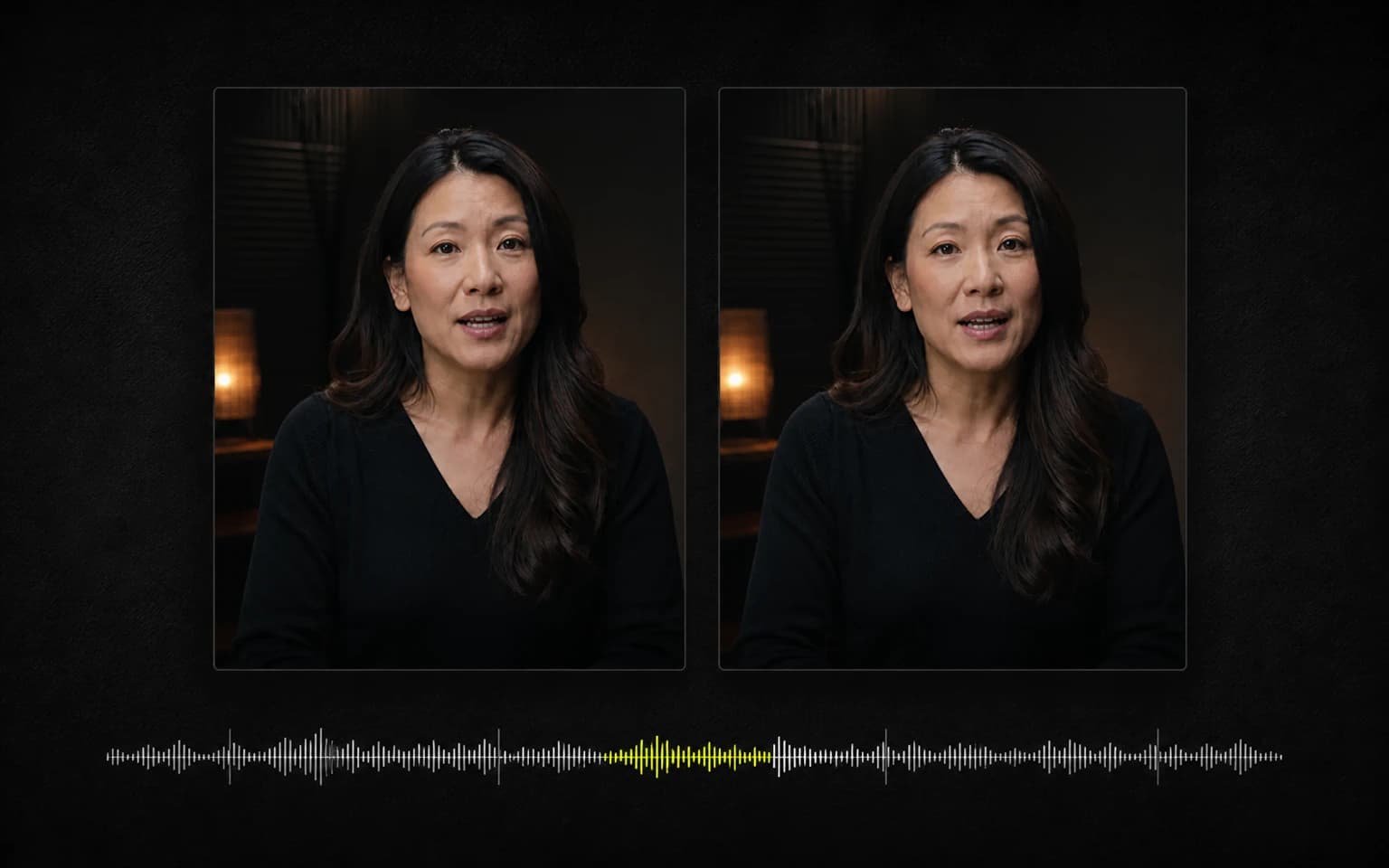
Karaoke-style captions are having a moment again. Music-synced captions on lyric videos and song covers are doing numbers. We pushed hard on sync precision here — the styles in this category have the tightest timestamp alignment of anything we build, because being 20ms off on a music style is immediately visible. We also added several styles that handle multi-syllable word highlighting, which is something older implementations struggled with.

Professional (50+ styles)

Corporate training, webinar clips, conference talks, educational content. This category is quiet — creators using it rarely post about the tools they use, but they're consistent, high-volume users. The new additions lean into two-tone layouts and clean subtitle-style presentation. Nothing flashy. The style communicates "I trust the content; the packaging doesn't need to sell it."

Artistic (40+ styles)

Neon, glitch, retro VHS, grain effects. These remain the most-previewed, least-exported category — which is actually fine. They serve a purpose: they show what's possible, they attract creators who are experimenting, and occasionally one of them breaks through and becomes someone's signature style. We added a 90s-retro cluster that's been polarizing in the best way.

Minimal (50+ styles)

The most requested category for new additions, which surprised us when we looked at the feedback. Minimal is harder to do than it looks — there are infinite ways to be bold, but only a narrow range of ways to be quietly effective. The new styles focus on letter-spacing and weight variation rather than animation or color. A few of them look almost identical in the thumbnail and completely different in motion.

The Number That Actually Matters

Here's the honest version of what 300 means.

Most creators will pick one style and stick with it. Maybe two or three styles for different content types. The 300 number is not for the average creator — it's for the creator who hasn't found their style yet.

The way we think about the library: every style we add is a potential "that's the one" for someone who hasn't found it yet. We'll never know which style it is until someone uses it. So we keep building.

If you've been using CaptionBolt for a while and you've never scrolled past the first 20 styles in your usual category, that's a signal. There are 280 more. Some of them are waiting for you.

The style library is updated every month. If you see a caption style in the wild — on TikTok, on a YouTube video, on a Reel — that you want us to build, tell us. We read every request.

Your first viral short is one upload away.

Free to start. No card needed.